When a primary adipic acid supplier goes offline, whether from an environmental shutdown, an allocation squeeze during a nylon demand spike, or a logistics disruption, procurement teams without a backup structure feel it quickly. Supply continuity depends less on finding the lowest price and more on how the sourcing strategy is structured.
For manufacturers where adipic acid is a critical intermediate, small disruptions can translate directly into production delays and cost exposure.
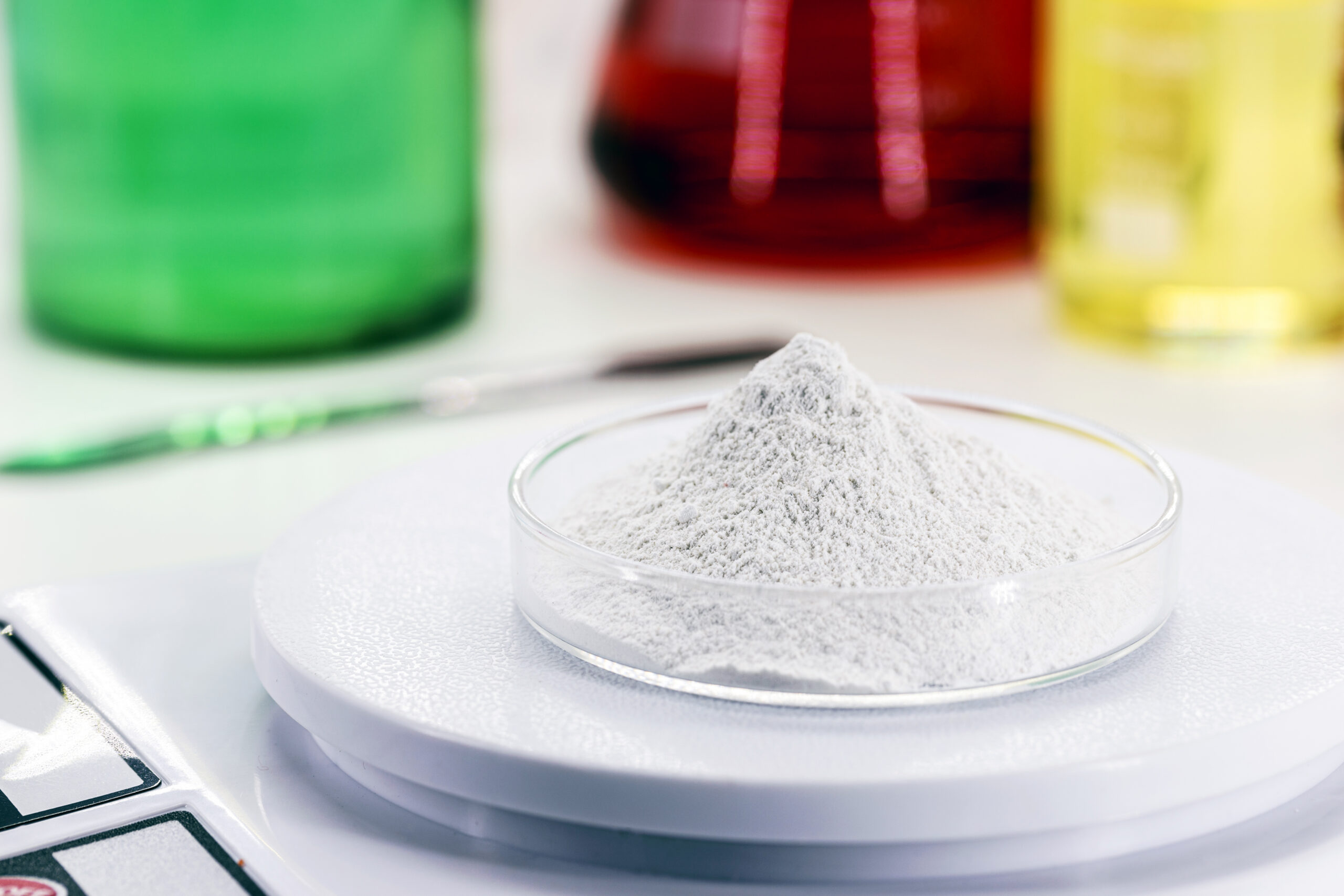
Adipic acid is a white crystalline dicarboxylic acid produced commercially through the oxidation of cyclohexane or cyclohexanol. It serves as a core building block for nylon 6,6, polyurethane foams, polyester polyols, and plasticizers, with additional uses in coatings, adhesives, and food-grade applications. Grade, purity, and sourcing region all affect both performance and availability.
This guide outlines what procurement and supply chain teams should consider when evaluating adipic acid suppliers, structuring contracts, or reassessing sourcing resilience.
How the Adipic Acid Supply Market Is Structured
China accounts for a major share of global production capacity and drives spot market pricing, though sourcing from this region carries tariff and logistics considerations. In the Americas, producers like Invista are fully integrated from feedstock to polymer. They primarily produce for captive consumption in nylon 6,6 but sell surplus to the merchant market, making this supply generally reliable but often contract-based.
When nylon demand is strong, integrated producers prioritize internal consumption and merchant market availability tightens. Procurement teams relying on surplus from integrated producers without a contract in place can find themselves exposed to allocation constraints during peak demand periods.
The EU’s trade investigation has identified significant provisional dumping margins on adipic acid imports from China. For organizations sourcing into European markets, that ruling introduces a cost variable worth tracking. North American buyers may also see indirect effects, as redirected Chinese volumes seek alternative markets.
Grades and Specifications
Grade selection has a direct impact on both process performance and procurement cost. Using a higher grade than an application requires adds cost without benefit. Using an underspecified grade can create quality or process problems that are difficult to trace back to the raw material.
Polymer grade requires 99.6%+ purity with very low levels of ash, iron, and heavy metals. In nylon 6,6 polymerization, impurities can interfere with chain growth and affect fiber strength, making this the appropriate specification for that application. Industrial or resin grade typically runs 99.0%+ purity and is generally suitable for polyurethanes, plasticizers, and unsaturated polyester resins where minor color or trace impurities are acceptable.
For manufacturers using adipic acid in plasticizers such as DOA or DIDA, industrial grade is typically the right fit. Know your specification requirements before negotiating grade or price with any supplier.
A handling note worth keeping in mind: adipic acid is slightly hygroscopic, and exposure to humidity during storage can cause caking that creates flow problems in automated dosing systems. Good storage practice means sealed containers in a cool, dry environment, and organizations holding inventory should confirm their warehouse conditions support that.
What Drives Adipic Acid Pricing
Adipic acid pricing is largely influenced by upstream feedstock costs, primarily benzene, ammonia and natural gas, and freight costs. When feedstock costs are low, producers have more flexibility on price. When they rise, that pressure moves downstream quickly, and buyers in North America and Europe, where energy costs tend to be higher than in integrated Asian facilities, can be more exposed to those swings.
In North America, adipic acid prices have been supported by resilient demand from the nylon and polyurethane sectors, with activity in automotive and construction driving consistent offtake. Procurement teams that lock in contract volumes during softer market conditions generally have better cost stability during periods of tighter supply. Those relying entirely on spot purchasing carry more exposure in both directions.
Tracking benzene and cyclohexane pricing trends is a practical way to develop a forward view on where adipic acid costs may be heading, which informs contract timing decisions. For a broader look at how feedstock and trade dynamics are shaping chemical markets in 2026, TCC’s coverage of geopolitics, production shifts, and tariffs is a useful reference.
Supply Concentration Risk
A common gap in adipic acid procurement is over-reliance on a single origin. Sourcing primarily from China can be cost-effective, but it exposes organizations to geopolitical tariffs, long ocean transit times, and the possibility of sudden production curtailments tied to environmental inspections. These types of events have historically caused supply disruptions with limited advance notice.
A more resilient structure combines contract supply from a regional distributor with domestic or nearshore inventory, alongside qualified secondary suppliers who can cover gaps. This approach does not require paying a premium on every order. It requires having alternatives identified and qualified before they are urgently needed.
Grade concentration is a related issue. Manufacturers who source only polymer-grade material because they have qualified a single supplier and grade lose flexibility when that grade tightens. Qualifying an industrial-grade alternative for applicable end uses provides options without requiring a full supply chain restructure. For more on how procurement teams are navigating sourcing challenges in the current environment, see TCC’s piece on grappling with procurement challenges in the chemicals industry.
What to Look For in an Adipic Acid Supplier
Price and lead time are the starting point, not the full picture. These factors determine whether a supplier relationship holds up when the market gets difficult.
Inventory Position
Does the supplier hold domestic stock, or are they transacting against a producer’s available inventory? Stocking distributors can respond to urgent requirements in days. Intermediaries who do not hold inventory typically cannot.
Product Breadth
A supplier who also carries downstream products built on adipic acid, including plasticizers like DOA and DIDA, reduces the number of separate supplier relationships required and improves consolidated leverage. For a broader view of how to evaluate chemical distribution partners, TCC’s guide on comparing chemical distribution partners covers the key criteria.
Producer Relationships
Suppliers with long-standing producer relationships tend to have better access to allocation during tight markets and earlier visibility into supply changes, both of which give buyers more time to respond.
Logistics Capability
Packaging flexibility across bags, super sacks, and bulk, combined with the ability to drop-ship directly to a facility, reduces handling costs and simplifies inbound logistics.
Technical Support
Organizations formulating with adipic acid benefit from a supplier who can speak to grade selection, application fit, and specification questions. That support has practical value when evaluating alternatives or qualifying new sources.
Named-Grade Options for High-Purity Applications
In applications where consistent, well-documented material is important, such as nylon production or demanding polyurethane formulations, procurement teams may find it worth specifying a named producer grade rather than generic specification material.
ADI-PURE adipic acid from INVISTA is one such option. It is an established grade in the North American market with known specification parameters and a supply history in polymer applications. TCC distributes ADI-PURE Adipic Acid, giving buyers the flexibility to specify either based on application requirements and procurement objectives.
Building a Resilient Sourcing Strategy
A few structural practices reduce procurement risk meaningfully over time.
Qualifying at least two suppliers for a critical intermediate like adipic acid limits exposure when a primary source is unavailable. Maintaining appropriate safety stock, calibrated to actual lead times and the cost of production downtime, provides a buffer against short-notice disruptions. Reviewing grade specifications against end-use requirements periodically can identify cost recovery opportunities without changing supply chain structure.
If your team is evaluating its current sourcing setup or working through a supply disruption, TCC’s Security of Supply program is a useful starting point. For guidance on supply chain preparation more broadly, see why supply chain preparation cannot wait.
Talk to a TCC Sourcing Specialist
TCC has supplied adipic acid and chemical intermediates to manufacturers across North America and globally for over 35 years. Long-standing producer relationships, domestic inventory capabilities, and broad product coverage across plasticizers, intermediates, and polymer additives mean TCC can support procurement requirements with the logistics infrastructure and technical knowledge to back them up.
Contact TCC to review current adipic acid availability, lead times, and sourcing options for your application.
Learn more about our chemical supply and distribution solutions
Regulatory and compliance statuses presented in this article are accurate to the best of our knowledge at time of publication and are subject to change at any time. Readers are encouraged to consult qualified regulatory experts for the most current information applicable to their situation.