
Flexible PVC dominates industries from automotive to medical devices, yet most formulators underestimate the complexity of plasticizer selection until problems emerge. Knowing how to choose a plasticizer requires balancing compatibility, performance, regulations, and cost in ways that aren’t always obvious from a technical data sheet.
The distinction between general purpose and specialty plasticizers determines whether your formulation meets basic requirements or excels in demanding conditions. Your choice impacts everything from processing efficiency to long-term product durability and regulatory compliance.
Understanding Plasticizers and Their Role
Plasticizers are additives that increase PVC flexibility, workability, and durability by embedding themselves between polymer chains. They reduce intermolecular forces, allowing the material to bend without breaking. The right choice ensures your end product meets performance standards while remaining cost-effective and compliant with regulations.
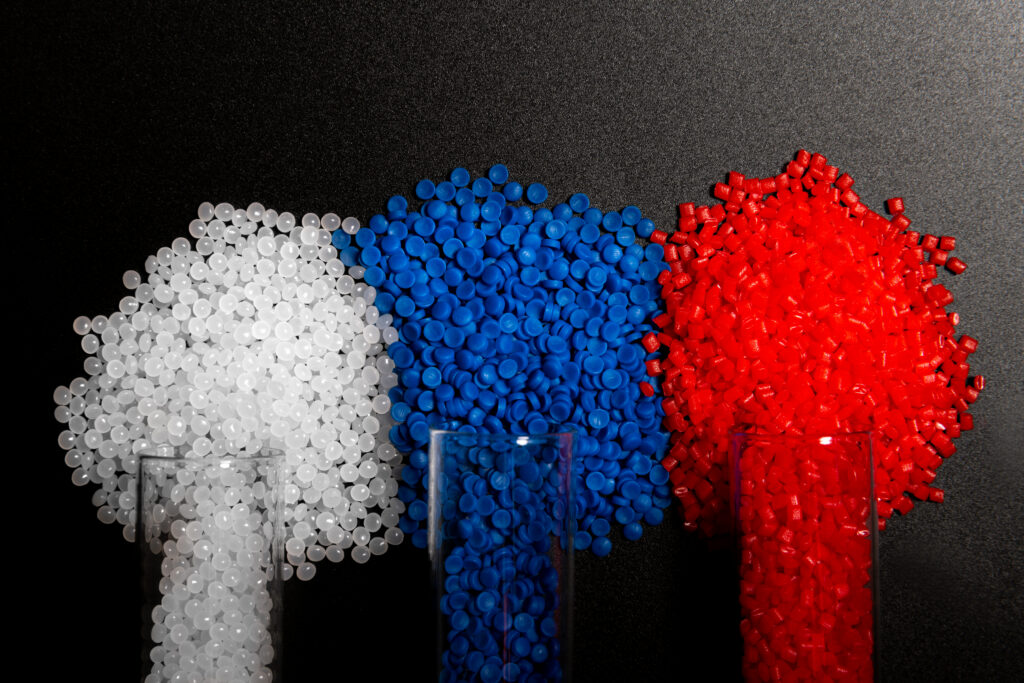
General Purpose Plasticizers at a Glance
General purpose plasticizers like DINP and DIDP deliver reliable performance across many applications. These materials offer good plasticizer compatibility with PVC, reasonable processing characteristics, and competitive pricing due to broad availability.
General-purpose plasticizer benefits include:
- Versatility: Works across wire and cable insulation, flooring, automotive interiors, and flexible vinyl goods
- Established supply chains: Multiple sourcing options keep costs predictable
- Proven processing: Well-documented handling characteristics reduce formulation risk
However, general purpose options may not meet specialized needs like extreme plasticizer performance at low temperature or stringent regulatory requirements for medical applications.
Specialty Plasticizers for Unique Requirements
Specialty plasticizers address performance gaps that commodity options can’t fill. Non-phthalate plasticizer options, including citrates, adipates, and polymeric polyesters, meet regulatory demands where phthalates face restrictions or consumer concerns.
High-performance materials like TOTM or pentaerythritol esters deliver superior heat stability, low volatility, and resistance to migration. Specialty plasticizer applications include FDA-compliant medical tubing, outdoor weathering-resistant profiles, and products operating at temperature extremes.
While specialty plasticizers typically cost more and may have longer lead times, they’re essential when formulation requirements exceed what commodity products deliver.
Top Considerations in Plasticizer Selection
Polymer additives selection starts with understanding your polymer system and how the plasticizer will interact with it. Plasticizer compatibility determines whether the material will remain stable in your formulation or migrate out over time, causing brittleness or surface issues.
Your processing method matters since extrusion, calendaring, and injection molding each place different demands on volatility and thermal stability. Phthalate regulations have become a critical factor, especially in consumer-facing products where markets increasingly demand phthalate-free formulations.
Balancing Performance and Cost
You need to weigh total cost of ownership, not just price per pound. A cheaper general purpose plasticizer might require higher loading levels or lead to shorter product life, ultimately costing more. Plasticizer supply chain reliability also factors into your decision since disruptions can halt production regardless of performance.
Evaluating Environmental and Safety Requirements
Regulatory landscapes continue to evolve, with phthalate restrictions expanding across Europe, North America, and Asia. Non-phthalate alternatives address these concerns while meeting performance benchmarks. Consider both current regulations and anticipated changes to avoid reformulation costs down the line.
Practical Steps for Making a Decision
1. Analyze Polymer Compatibility
Start by reviewing technical data sheets and conducting small-scale compatibility tests with your base polymer. Look for signs of plasticizer migration, phase separation, or inadequate flexibility that indicate poor compatibility.
Lab testing at your intended use temperature reveals whether the plasticizer will perform long-term. Plasticizer migration prevention requires matching the right chemistry to your polymer system and end-use environment.
2. Assess Processing Needs
Match your plasticizer’s thermal stability to your processing temperatures and residence times. High-temperature processes like extrusion require plasticizers with low volatility to prevent losses during manufacturing.
Consider how the plasticizer affects melt viscosity and whether it supports your target production rates. Processing efficiency directly impacts your bottom line and product consistency.
3. Examine Supply Chain Factors
Evaluate lead times, minimum order quantities, and geographic sourcing options for your candidate plasticizers. Working with a distributor that maintains inventory and offers multiple sourcing routes protects you from supply disruptions.
Consider whether you need backup suppliers or alternative plasticizers that can substitute if your primary choice becomes unavailable. The plasticizer supply chain has faced volatility in recent years, making reliable partnerships essential.
Comparing General Purpose and Specialty Solutions Head to head
General purpose plasticizers win on cost and availability, making them ideal for high-volume applications where performance requirements are straightforward. They’re readily available from multiple suppliers, and their well-established processing characteristics reduce formulation risk.
Specialty plasticizers justify their higher cost when you need:
- Regulatory compliance: Phthalate-free status for consumer products or medical applications
- Enhanced durability: Superior migration resistance or weathering performance
- Extreme conditions: Low-temperature flexibility or high-heat stability
The decision often comes down to your application’s critical requirements. If migration resistance or phthalate-free status are non-negotiable, specialty plasticizers are worth the investment.
Where to Go from Here
Selecting the right plasticizer requires balancing technical performance, regulatory compliance, and supply chain reliability. The Chemical Company helps you navigate these decisions with access to both general purpose and specialty plasticizers from established global producers.
We maintain inventory across multiple locations to ensure consistent supply, even during market disruptions. Whether you’re reformulating to meet new regulations, optimizing costs, or solving a specific performance challenge, our technical expertise and global sourcing capabilities support your success.
Learn more about our chemical supply and distribution solutions.