
With a significant share of global production concentrated in China, buyers must account for lead times, quality consistency, and trade compliance when evaluating dicyandiamide suppliers. For many buyers, working with an experienced distributor can reduce these risks while improving supply predictability.
Table of Contents
Dicyandiamide (DCD), also known as cyanoguanidine, is a water-soluble white crystalline compound used in agricultural fertilizer formulations as a nitrification inhibitor. It slows the conversion of ammonium to nitrate in soil, helping reduce nitrogen loss from leaching and denitrification. DCD is also used as an epoxy curing agent, in flame retardants, and as a chemical intermediate in pharmaceutical synthesis.
Whether you’re formulating slow-release nitrogen fertilizers or sourcing DCD as a component for downstream chemistry, the decision involves tradeoffs across grade quality, supply continuity, and import compliance.
What Agricultural Grade Dicyandiamide Does
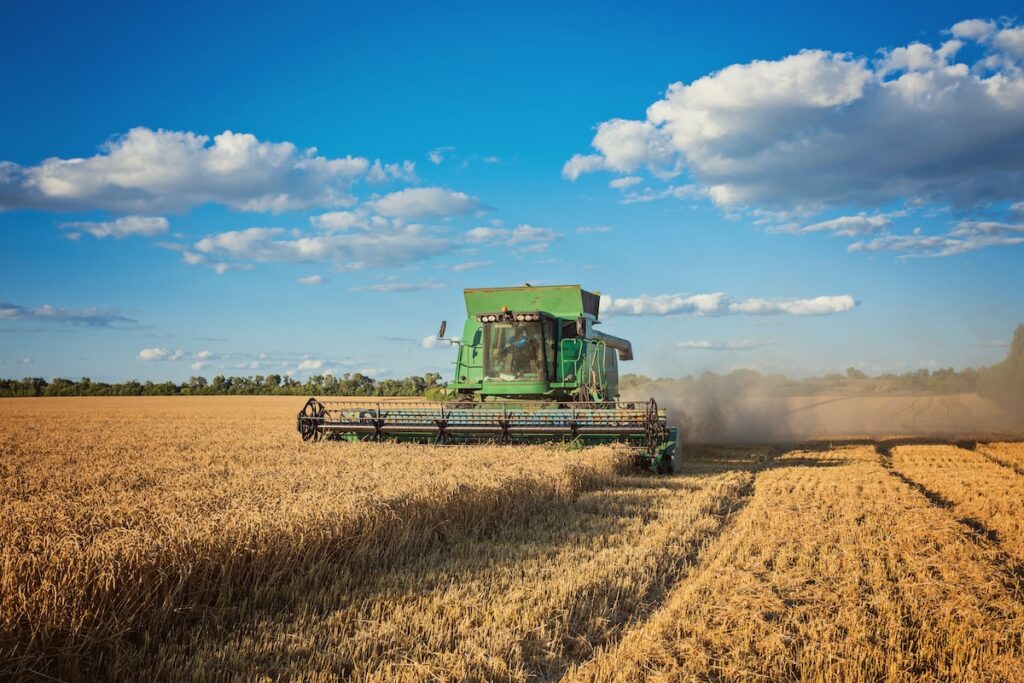
In fertilizer chemistry, DCD functions as a nitrification inhibitor by slowing microbial activity in soil, specifically targeting the ammonia-oxidizing bacteria that convert ammonium nitrogen into nitrate. Nitrate is highly mobile in soil and prone to leaching into groundwater or converting to nitrous oxide through denitrification. By slowing that conversion, DCD keeps nitrogen in a plant-available form longer and reduces losses from the system.
This makes DCD particularly valuable in coated urea and enhanced-efficiency fertilizer products, where controlled nitrogen release is the central performance claim. It is also used in liquid fertilizer blends and as an additive in granular formulations designed for high-leaching environments like sandy soils or high-rainfall regions.
Agricultural grade DCD typically calls for purity in the 99% to 99.5% range. Beyond purity, melamine content is a quality variable worth examining, as it is a common impurity from the synthesis process. Buyers formulating for regulated markets should request batch-level certificates of analysis and confirm impurity profiles against their applicable standards, as requirements may vary by jurisdiction and end use.
A Concentrated Supply Chain with Real Considerations
Global DCD production is significantly concentrated, with a substantial share of manufacturing capacity located in China, particularly in eastern coastal regions where integrated chemical supply chains and port infrastructure support large-scale output. Outside of China, alternative production sources are limited, which is worth understanding when evaluating supply continuity for North American operations.
That concentration matters for buyers in the Americas. When Chinese export conditions shift, whether through energy-related production slowdowns, policy developments, or logistics constraints, the effect on global DCD availability can be meaningful. Buyers sourcing entirely from a single producer or relying on spot purchasing carry more exposure to both price volatility and supply interruption.
Two practical approaches help manage that exposure. The first is maintaining relationships with more than one producer so that no single source represents your entire DCD supply. The second is working with a distributor that holds inventory in North America and can bridge supply gaps without requiring buyers to manage international procurement directly. For companies without the internal infrastructure to handle customs documentation, quality verification, and international logistics, a distributor with established global sourcing relationships and domestic stocking capacity is generally the lower-risk path.
How to Evaluate a Dicyandiamide Supplier for Agricultural Needs
Most content on this topic stops at listing supplier names. What procurement teams actually need is a practical framework for assessing supplier suitability before committing volume.
- Grade documentation: Does the supplier provide a batch-specific certificate of analysis with every shipment? For agricultural applications, purity, moisture content, and impurity profiles should be clearly stated. Generic product datasheets are not a substitute for lot-level documentation.
- Producer vs. trading company: Sourcing directly from a manufacturer typically provides better visibility into production conditions and quality controls than sourcing through a trading company that may switch between producers based on price. Understanding who is actually making the material matters.
- Packaging and handling: Agricultural DCD is commonly supplied in 25 kg bags or bulk supersacks. Confirm packaging specifications before ordering, particularly for buyers running integrated production lines where handling compatibility affects throughput.
- Regulatory and import compliance: Buyers importing DCD into the United States should be aware that applicable regulatory requirements, including potential TSCA compliance depending on use and import conditions, may apply. Working with a supplier or distributor experienced in U.S. import documentation reduces the risk of customs delays or shipment holds.
- Lead time and inventory position: A supplier quoting eight to twelve weeks from overseas is offering a very different risk profile than one with material already positioned in North American inventory. For production-critical applications, lead time is a supply continuity variable, not just a scheduling detail.
Agricultural, Industrial, and Pharmaceutical Grade DCD
Dicyandiamide is not a single-grade product, and confirming that the grade you’re purchasing is appropriate for your application is worth doing before volume commitments are made.
| Grade | Typical Purity | Key Considerations |
| Agricultural | 99.0–99.5% | Impurity profile including melamine; confirm against applicable standards for intended use |
| Industrial | 99.0–99.5% | General use in epoxy curing, flame retardants, water treatment |
| Pharmaceutical | 99.7%+ | Low melamine, low turbidity; stricter impurity profile for API synthesis |
| Electronic | High purity | Very low turbidity for PCB laminate applications |
For fertilizer manufacturers, agricultural grade is the standard specification. Moving to pharmaceutical grade without a formulation-specific reason adds cost without adding performance value in most applications. Sourcing general industrial-grade material without reviewing the impurity profile can create compliance exposure depending on the end market and jurisdiction.
Supply Chain Compliance Awareness for Importers
The compliance environment for chemical imports has grown more complex in recent years, and buyers sourcing DCD from overseas producers are navigating a broader set of considerations than they may have been even a few years ago. The following are areas worth staying current on, with the understanding that specific requirements vary by situation and are best confirmed with qualified regulatory or trade compliance counsel.
Forced Labor Due Diligence
U.S. import regulations now place greater emphasis on supply chain transparency, including traceability of upstream inputs. For chemical raw materials sourced from China, understanding the full production chain has become a more active part of due diligence for many importers.
Tariff Classification
Applicable tariff rates on Chinese chemical imports have been subject to change under evolving U.S. trade policy. Confirming the correct HTS classification for DCD and understanding current duty rates before finalizing supply contracts helps avoid surprises in landed cost.
Import Documentation
Customs clearance for chemical intermediates generally requires accurate product classification, SDS documentation, and confirmation of applicable regulatory status. Working with a distributor that routinely manages these requirements reduces administrative overhead and the risk of clearance delays.
None of these areas present insurmountable obstacles, but they do add time and cost to direct import relationships. For companies without dedicated trade compliance resources, sourcing through an experienced domestic distributor who handles these functions regularly tends to simplify the process considerably.
When a North American Distributor Makes Sense for Agriculture
For fertilizer formulators and industrial buyers across the Americas, a North American distributor with global sourcing capability and domestic inventory offers meaningful practical advantages over direct import. Shorter and more predictable lead times, domestic warehousing, managed import documentation, and a single point of contact for both supply and technical questions all reduce operational friction.
Direct sourcing tends to make sense in specific circumstances: high-volume buyers with internal trade compliance teams, procurement operations already managing overseas supplier relationships at scale, and purchasing cycles that accommodate the longer lead times and variability that direct import typically involves. For most other buyers, a distributor relationship delivers more predictable supply and lower administrative burden over time.
Source DCD with Confidence Through TCC
The Chemical Company has been supplying Dicyandiamide across the Americas for more than 30 years. That experience means established producer relationships, genuine familiarity with how the DCD supply chain behaves under pressure, and the logistics infrastructure to support consistent delivery across the region, including both spot and contract supply programs.
TCC brings product breadth across fertilizer chemistry and chemical intermediates, global sourcing capabilities developed over decades, and direct technical support for buyers evaluating grade suitability or working through import compliance questions. When availability tightens or lead times become critical, TCC’s Security of Supply program provides access to strategic inventory and emergency sourcing options designed to keep production running.
If your DCD supply chain is overexposed to a single source, running lean on lead time buffer, or due for a compliance review, TCC has the experience, sourcing network, and inventory infrastructure to help stabilize your DCD supply chain.
Source Dicyandiamide
Regulatory and compliance statuses presented in this article are accurate to the best of our knowledge at time of publication and are subject to change at any time. Readers are encouraged to consult qualified regulatory experts for the most current information applicable to their situation. The above product, technical and regulatory information is for informational purposes only, and could potentially be incorrect or out of date subject to changes with updated regulatory decisions, trade updates or legal decisions. The information included here is meant to be informational only, and should be considered alongside actual scientific data and in-house testing and trialing to factor in the product requirements and other characteristics of each individual formula.


