
Your plasticizer choice sets the baseline for your entire formulation cost structure, affects processing behavior, and influences long-term product performance.
Maximum plasticizer efficiency gives you the quantitative framework to compare these choices and optimize your formulations. Understanding how efficiency works lets you substitute materials confidently, reduce costs without sacrificing performance, and troubleshoot formulation issues faster.
Key Takeaways:
- Plasticizer efficiency is a measure of how much plasticizer is needed to achieve a target flexibility, directly impacting formulation cost and performance.
- Efficiency is benchmarked against DOP (dioctyl phthalate), which has a value of 1.0. Plasticizers with values less than 1.0 are more efficient, while those greater than 1.0 are less efficient.
- Formulators can blend primary and secondary plasticizers to optimize for specific properties like low-temperature flexibility or flame resistance while managing costs.
- Validating performance through tests like Shore A hardness and compatibility testing is crucial to ensure theoretical efficiency translates to real-world results.
What Is Plasticizer Efficiency?
Plasticizer efficiency measures how much plasticizer you need to achieve a target hardness or flexibility in your formulation. It’s a quantitative comparison that tells you whether one plasticizer will soften your compound more or less than another at the same loading level.
This measurement directly impacts your material costs and formulation performance. Understanding efficiency helps you compare different plasticizers, substitute materials when supply issues arise, and optimize formulations for both performance and cost.
How Plasticizer Efficiency Is Measured Using DOP as a Benchmark
The industry uses DOP (dioctyl phthalate, also called DEHP) as the standard reference with an assigned efficiency value of 1.0. You calculate efficiency by comparing the slope of the hardness curve of a test plasticizer against DOP’s curve at various loading levels.
The resulting efficiency value indicates how much of the test plasticizer is needed relative to DOP:
- Value > 1.0 (Less Efficient): You need more of the plasticizer than DOP to achieve the same softness. For example, a value of 1.05 means you need 5% more plasticizer.
- Value = 1.0 (Equivalent): The plasticizer requires the same amount as DOP to achieve the target softness.
- Value < 1.0 (More Efficient): You need less of the plasticizer than DOP to achieve the same softness. For example, a value of 0.95 means you need 5% less plasticizer.
This standardized system lets you predict substitution ratios when switching between plasticizers. It provides a consistent framework for comparing products from different suppliers.
Understanding Primary and Secondary Plasticizers
Plasticizers fall into two categories based on their compatibility with the polymer matrix. This classification affects how you use them in formulations and influences their efficiency.
Primary Plasticizers
Primary plasticizers have high compatibility with the polymer and can be used as the sole plasticizer in a formulation. They provide the main softening effect and can be loaded at high levels without causing compatibility issues like migration or blooming.
Secondary Plasticizers
Secondary plasticizers have limited compatibility and must be used in combination with primary plasticizers. They cannot be used alone at high loading levels without causing phase separation or exudation. You typically use them to reduce cost or add specific performance properties like improved low-temperature flexibility or flame resistance.
Plasticizer Efficiency Ratings by Type
Different plasticizer families show varying efficiency levels relative to the DOP benchmark. Knowing these differences helps you select appropriate materials for your application.
Phthalate Plasticizers
Well-established phthalate plasticizers include DINP, DIDP, and DPHP, each with distinct efficiency characteristics. DINP typically has an efficiency value slightly above 1.0, meaning you need marginally more of it than DOP to achieve the same hardness. These plasticizers have a long history of use in regulated applications and offer predictable performance across flexible PVC formulations.Relative to DOP, DINP may require a slightly higher phr in like-for-like substitutions (e.g., supplier examples show ~104 phr DINP vs 100 phr DOP in a comparable flexible PVC formulation). DINP also has a long history of use as a PVC plasticizer and is routinely assessed in regulatory contexts; its low volatility supports permanence, contributing to stable, predictable performance in flexible PVC formulations.
Non-Phthalate Plasticizers
DOTP (terephthalate), citrates, and adipates represent alternatives developed to meet evolving regulatory or customer requirements. DOTP generally exhibits efficiency close to DOP, making it a straightforward substitution in many formulations. Citrate plasticizers typically require higher loading levels due to lower efficiency but offer advantages in specific applications.
Specialty and Bio-Based Plasticizers
Epoxidized soybean oil (ESBO), polymeric plasticizers, and solid plasticizers serve specialized functions beyond basic plasticization. ESBO acts as both a secondary plasticizer and a heat stabilizer, offering dual functionality in PVC compounds.
Factors That Influence Plasticizer Efficiency
Several variables affect how efficiently a plasticizer performs in your formulation. These factors explain why published efficiency values serve as guidelines rather than absolute predictions.
Molecular Weight and Chemical Structure
Molecular weight and branching affect how plasticizer molecules interact with polymer chains. Lower molecular weight plasticizers generally show higher efficiency because smaller molecules penetrate the polymer matrix more easily.
Polymer Compatibility and Solubility
Solubility parameters determine how well a plasticizer dissolves in and interacts with the polymer matrix. Better compatibility typically translates to higher efficiency because the plasticizer integrates more completely with the polymer chains.
Processing Temperature and Shear
Processing conditions influence plasticizer incorporation and final compound properties. Higher temperatures and shear improve dispersion and gelation, which can enhance the effective efficiency of the plasticizer in the finished product.
Plasticizer Loading Levels
The relationship between plasticizer content and hardness is not always linear across all concentration ranges. Efficiency values measured at one loading level may not perfectly predict performance at significantly different concentrations.
Optimizing Plasticizer Blends for Cost and Performance
Blending plasticizers lets you achieve target properties while managing formulation costs. This strategy applies efficiency knowledge to practical manufacturing challenges.
Combining Primary and Secondary Plasticizers
Secondary plasticizers like chlorinated paraffins or ESBO can extend primary plasticizers when used within compatibility limits.
- Chlorinated paraffins: Provide cost reduction and flame resistance when blended with primary plasticizers
- Epoxidized soybean oil (ESBO): Offers co-stabilization benefits alongside its plasticizing effect
Blending Ratios and Formulation Guidelines
Establishing blend ratios requires balancing efficiency, cost, and performance requirements. Start with conservative secondary plasticizer levels and increase gradually while monitoring for compatibility issues. Compatibility testing should guide your final formulations rather than relying solely on published efficiency values.
Testing and Validating Plasticizer Performance
Key tests validate plasticizer selection and ensure formulation success. These methods help you confirm that theoretical efficiency translates to actual performance.
Shore A Hardness Testing
Shore A hardness measurement is the primary metric for evaluating plasticizer efficiency. You measure hardness at varying plasticizer concentrations to generate efficiency curves that compare directly to DOP’s performance.
Compatibility and Migration Testing
The ASTM D3291 loop spew test serves as a standard method for evaluating plasticizer compatibility with PVC. Poor compatibility leads to migration, blooming, or spew, which compromise both appearance and performance.
Recognizing and Resolving Common Issues
Watch for these warning signs of compatibility problems:
- Surface bloom or spew: Indicates plasticizer migration due to limited compatibility
- Haze or cloudiness: May signal phase separation or incompatibility between blend components
- Excessive tackiness: Can result from over-plasticization or incomplete gelation during processing
Selecting Plasticizers for Specific Applications
Application requirements determine which efficiency trade-offs make sense for your formulation. Different end uses prioritize different performance characteristics.
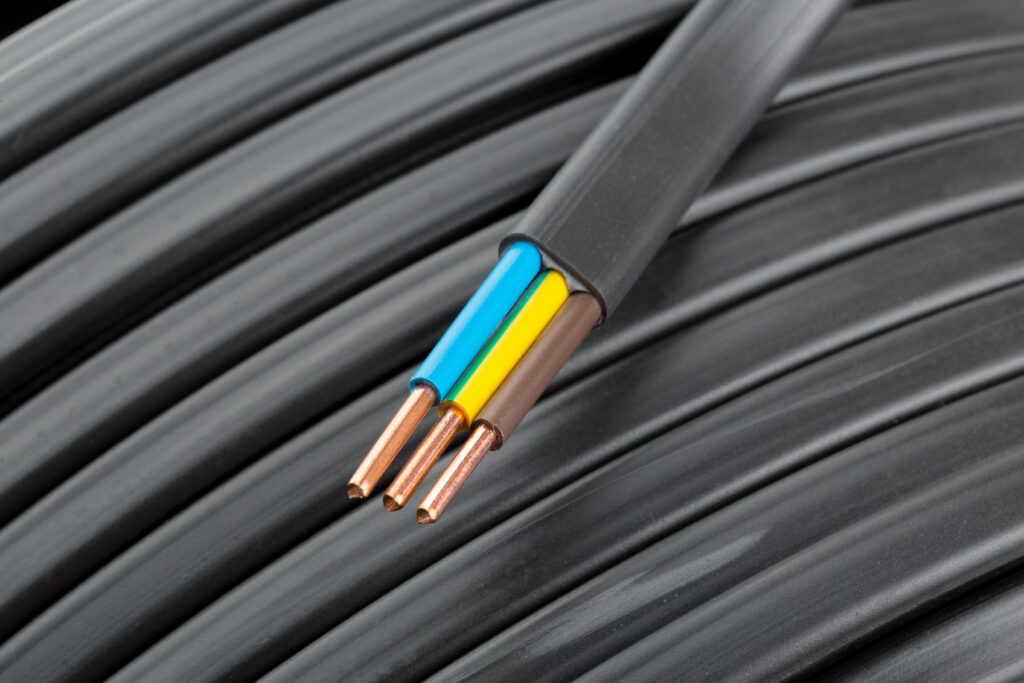
Wire and Cable Compounds
Wire and cable applications require balancing low-temperature flexibility, heat aging resistance, and electrical properties. Efficiency must be weighed against permanence requirements, as plasticizer loss over time can compromise insulation performance.
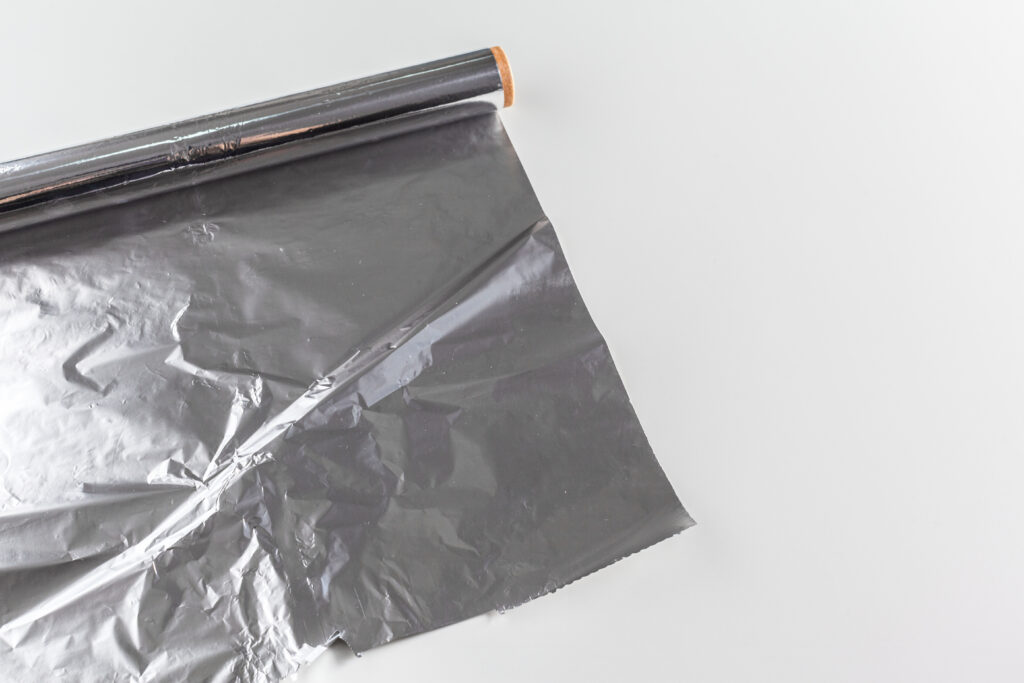
Flexible Film and Sheet
Calendered or extruded film applications prioritize clarity, flexibility, and migration resistance. Higher-efficiency plasticizers may be preferred to minimize loading levels, which helps maintain optical properties and reduce material costs.
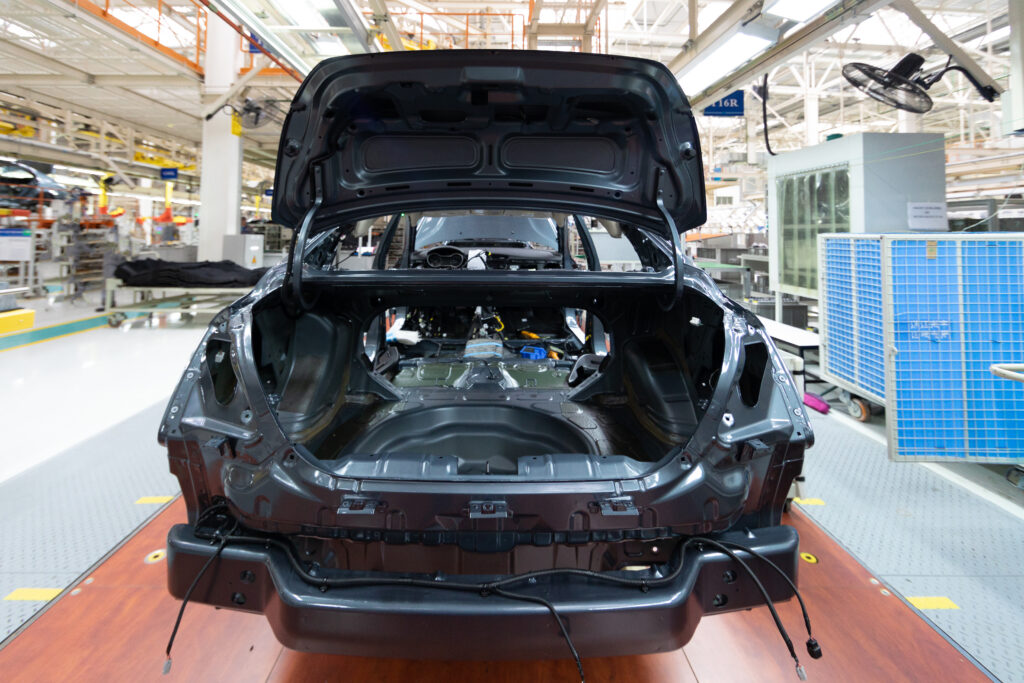
Automotive and Industrial Products
Automotive interiors and industrial applications demand consideration of fogging, UV stability, and temperature performance. These requirements often favor plasticizers with moderate efficiency but superior permanence and aging characteristics.
Conclusion: Efficiency as a Strategic Tool
Ultimately, plasticizer efficiency is more than a technical specification; it is a strategic tool. By understanding and applying the principles of efficiency, formulators can navigate material substitutions, control costs, and fine-tune product performance. Whether blending primary and secondary plasticizers or selecting a specific type for a demanding application, a firm grasp of efficiency provides the quantitative foundation for making informed, effective decisions that lead to robust and commercially successful products.
How a Trusted Chemical Supplier Supports Plasticizer Optimization
Working with an experienced chemical distributor helps you navigate plasticizer selection and formulation challenges. A supplier with broad product access can provide multiple plasticizer options for side-by-side comparison and testing, shortening development cycles and reducing reformulation risk.
Supply chain reliability becomes critical when you’re optimizing blends that use multiple plasticizer types. A distributor with established supplier relationships and global sourcing capabilities helps ensure consistent quality, tighter lot-to-lot control, and predictable lead times across your plasticizer portfolio.
Just as importantly, technical support that understands regulatory constraints and regional availability can help future-proof formulations as markets and requirements change.
Let’s talk today about how our chemical supply and distribution solutions can help your business.
Regulatory and compliance statuses presented in this article are accurate to the best of our knowledge at time of publication and are subject to change at any time. Readers are encouraged to consult qualified regulatory experts for the most current information applicable to their situation. The above product, technical and regulatory information is for informational purposes only, and could potentially be incorrect or out of date subject to changes with updated regulatory decisions, trade updates or legal decisions. The information included here is meant to be informational only, and should be considered alongside actual scientific data and in-house testing and trialing to factor in the product requirements and other characteristics of each individual formula. TCC bears no responsibility for any formulation or product changes made as a result of this informational content.


